Introduction to Tumbons
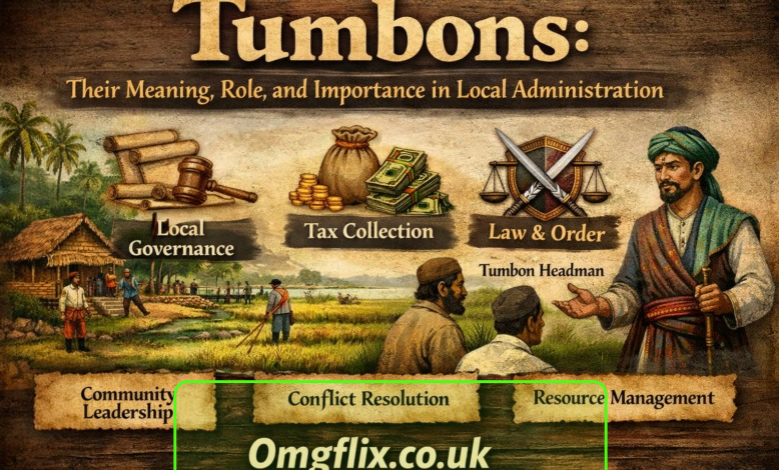
Tumbons, also known as subdistricts, are a vital component of Thailand’s administrative system, linking districts with villages. Each tumbon includes several villages, providing a manageable unit for governance, community services, and cultural organization. Local leaders coordinate infrastructure projects, schools, healthcare, and community programs, ensuring that government policies are applied efficiently at the grassroots level. Residents often identify strongly with their tumbon, participating in festivals, local markets, and communal decision-making. Tumbons are also essential for travelers and delivery services, as they are included in addresses and navigation systems. They serve as cultural hubs, preserving traditions while facilitating modernization. For researchers, tumbons provide structured units for demographic and geographic studies. Understanding tumbons is key to navigating Thailand’s administrative and social landscape effectively.
The History of Tumbons: From Ancient Cultures to Modern Innovations
Tumbons have evolved over centuries, starting as small clusters of villages that helped organize communities for governance, trade, and religious practices. In ancient times, they were often linked to temples or local trade hubs, serving as centers for community life and cultural preservation. Over time, the Thai central government standardized these subdistricts to improve administration while maintaining local traditions. Modern innovations like digital mapping, postal codes, and online government databases now integrate tumbons into nationwide systems. Despite modernization, traditional leadership structures, festivals, and community activities remain strong in many areas. Tumbons continue to balance administrative efficiency with cultural continuity. Understanding their history provides insight into how Thailand combines modern governance with deeply rooted community practices.
The Role of Tumbons in Thailand’s Administrative System
Tumbons act as the third level of Thailand’s administrative hierarchy, positioned below districts (amphoes) and above villages (mubans). Each tumbon organizes multiple villages, ensuring that services such as education, healthcare, and infrastructure reach residents effectively. Subdistrict Administrative Organizations (SAOs) are responsible for budgeting, planning, and implementing local projects while coordinating with district authorities. Tumbons also manage cultural events, festivals, and community welfare programs, strengthening social cohesion. Local governance allows residents to participate in decision-making processes that directly affect their daily lives. Tumbons also provide valuable demographic, geographic, and economic data for national planning and research. This structure ensures governance is accessible, efficient, and relevant at the community level.
Different Types of Tumbons and Their Functions
Not all tumbons are the same; their types and functions can vary depending on geography, population, and urbanization. Rural tumbons typically focus on agriculture, village-level development, and traditional practices, while urban tumbons manage commercial zones, schools, and dense residential areas. Some special administrative tumbons exist near tourist sites, industrial zones, or cultural landmarks, requiring additional governance and infrastructure management. These differences affect how public services are delivered, including healthcare, transportation, and education. Understanding the types of tumbons helps residents, travelers, and researchers navigate Thailand effectively. It also highlights the flexibility of the subdistrict system in balancing administrative needs with local culture and economic activity.
How Tumbons Shape Daily Life in Thai Communities
Tumbons impact everyday life by organizing essential services, managing community spaces, and fostering local identity. Markets, schools, healthcare centers, and roads are often planned and maintained at the subdistrict level. Tumbons also host festivals, religious ceremonies, and cultural events, preserving traditions and encouraging community participation. Residents rely on tumbon offices for administrative services such as ID cards, voter registration, and building permits. Local governance ensures policies from district or provincial authorities reach the population effectively. For families, businesses, and farmers, the tumbon serves as a central hub for civic life. Even in urban areas, subdistricts maintain a sense of community amidst the city’s fast pace. Tumbons thus combine administration with cultural and social cohesion in everyday life.
Understanding Villages and Communities Within Tumbons
Each tumbon consists of several villages, known as mubans, with populations ranging from a few hundred to several thousand people. Village leaders work closely with the tumbon administrative office to coordinate infrastructure projects, sanitation, education, and public safety. This local structure allows residents to voice concerns and participate in decision-making at the community level. Villages often have their own cultural traditions, festivals, and communal projects, which contribute to the overall identity of the tumbon. By connecting villages under a single administrative unit, tumbons provide efficient governance while respecting local customs. Researchers, government officials, and NGOs frequently use tumbons as units for surveys and social studies. This structure strengthens both administrative effectiveness and community engagement.
Tumbons in Thai Addresses and Navigation Systems
Tumbons are a critical part of Thailand’s addressing and navigation system. A typical Thai address includes the house number, village (muban), tumbon, district (amphoe), and province (changwat). This structure ensures that mail, deliveries, and official documents reach the correct locations. GPS and digital mapping systems also rely on accurate tumbon data to provide precise directions. For travelers, understanding tumbons helps in locating attractions, accommodations, and local markets. Businesses and government agencies benefit from the clarity provided by subdistrict identifiers. Accurate mapping of tumbons also supports emergency services and urban planning. In short, tumbons are essential for both practical navigation and administrative efficiency.
Local Governance: Who Oversees Tumbons in Thailand?
Each tumbon is managed by a Subdistrict Administrative Organization (SAO) or, in some cases, a local municipality. These governing bodies are responsible for planning, budgeting, public services, and community programs. Leaders may be elected or appointed and serve as the link between district authorities and local residents. SAOs coordinate road maintenance, healthcare, education, sanitation, and community events. They also enforce regulations and implement government policies at the grassroots level. This local governance structure ensures that residents have a voice in decisions affecting their communities. Tumbons’ governance balances administrative efficiency with cultural sensitivity, reflecting the needs of both rural and urban populations. Strong local leadership is essential for maintaining services and supporting development initiatives
Also read this :MataRecycler: The AI-Powered Smart Recycling System Revolutionizing Waste Management
Tumbons and Thai Culture: Traditions, Festivals, and Practices
Tumbons preserve Thailand’s rich cultural heritage by hosting local festivals, religious ceremonies, and traditional events. Residents participate in community activities that strengthen social bonds and maintain ancestral practices. Markets within tumbons often showcase local foods, handicrafts, and textiles unique to the area. Festivals such as Loy Krathong or Songkran celebrations are organized at the subdistrict level, reflecting local variations and customs. Temples and cultural centers within tumbons serve as hubs for education, religion, and social gatherings. By participating in these traditions, residents reinforce communal identity and cultural continuity. For travelers, visiting a tumbon provides an authentic glimpse into Thai life beyond urban centers. Tumbons thus act as both administrative and cultural anchors in society.
Famous Local Products and Crafts From Thailand’s Tumbons
Many tumbons are known for producing specialty goods and traditional crafts. Northern tumbons may produce silk or textiles, while central regions focus on pottery, woodwork, or local food products. These goods support the local economy and attract tourists seeking authentic experiences. Markets and festivals provide platforms for artisans to sell their crafts, preserving traditional techniques for future generations. Some tumbons also produce specialty foods or agricultural products tied to the region’s climate and geography. By highlighting local craftsmanship, tumbons contribute to Thailand’s cultural diversity and economic development. Visitors can explore these products to better understand each subdistrict’s identity. Local industries, supported by tumbon governance, create sustainable livelihoods and cultural preservation.
Tips for Travelers: How to Explore Tumbons in Thailand
Exploring tumbons offers travelers a chance to experience authentic Thai life. Visiting local markets, temples, and community festivals provides insight into traditions and daily routines. Staying in homestays or small guesthouses allows visitors to engage with residents and understand their lifestyle. Understanding tumbons also helps with navigating addresses, transportation, and sightseeing. Travelers should respect local customs and participate in community events when possible. Maps, GPS systems, and guidance from locals are useful for finding specific subdistricts. Urban tumbons may offer shopping and cultural centers, while rural areas highlight agriculture and traditional crafts. Exploring tumbons adds depth to any trip in Thailand, revealing culture, governance, and community life.
How Many Tumbons Are There in Thailand? A Complete Overview
Thailand has more than 7,000 tumbons spread across its 77 provinces. Each tumbon averages 5–10 villages, though rural areas may have fewer and urban areas significantly more. These subdistricts are organized to ensure effective governance, public service delivery, and cultural preservation. By mapping tumbons accurately, the government can plan infrastructure, allocate resources, and provide health and educational services. Researchers also use tumbon data for demographic and social studies. The sheer number and diversity of tumbons highlight the country’s balance of centralized authority and local governance. Each tumbon contributes uniquely to Thailand’s administrative, economic, and cultural landscape. Understanding their number and distribution helps residents, travelers, and policymakers navigate the country efficiently.
Common Misconceptions About Tumbons Explained
Many people mistakenly think tumbons are the same as districts or villages. In reality, a tumbon is a subdistrict containing multiple villages and reporting to a district. Another misconception is that tumbons are only rural; urban tumbons manage dense populations, schools, markets, and commercial centers. Some also believe local leaders are appointed centrally, but most are elected by residents. Understanding these distinctions helps residents navigate government services, addresses, and local governance. Tumbons are also mistakenly overlooked in tourism, despite offering authentic cultural experiences. Clarifying these points ensures accurate knowledge for travelers, researchers, and locals. Recognizing tumbons’ administrative and cultural roles highlights their importance in daily Thai life.
Tumbons in Research, Mapping, and Data Collection
Tumbons are frequently used as units in research, mapping, and statistical analysis. Census data, health surveys, and agricultural studies rely on accurate tumbon boundaries to collect and organize information. Urban planners use subdistrict data for infrastructure and transportation projects. NGOs and government agencies also utilize tumbons for community programs and development initiatives. Accurate mapping of tumbons supports emergency services, resource allocation, and policy planning. Researchers benefit from the structured hierarchy of province → district → tumbon → village, allowing detailed analysis at the local level. Tumbons bridge administrative efficiency and cultural understanding, making them vital for both practical governance and academic research.
Comparing Thailand’s Local Divisions: Provinces, Districts, and Tumbons
Thailand’s administrative hierarchy consists of provinces (changwat) at the top, followed by districts (amphoe), subdistricts (tumbon), and villages (muban). Tumbons function as the link between districts and villages, coordinating services, governance, and cultural activities. They allow local participation while ensuring national policies reach the population. Provinces manage large-scale planning, districts oversee multiple subdistricts, and tumbons ensure community-level efficiency. Understanding this structure is essential for travelers, researchers, and residents navigating Thailand’s geography and services. It also highlights how Thailand balances centralized governance with local autonomy. Tumbons are the foundation of this system, connecting residents to government services and preserving local identity.
Conclusion & Call-to-Action
Tumbons are more than administrative divisions; they are cultural hubs, governance centers, and essential parts of Thai community life. From managing villages and public services to preserving traditions and local crafts, tumbons connect residents with both governance and culture. Travelers gain authentic experiences by visiting local markets, festivals, and community spaces. Understanding tumbons also helps in research, mapping, and navigating Thailand effectively. Explore Thailand beyond its cities—immerse yourself in the life, culture, and administration of its tumbons and discover the unique character of each subdistrict today!
FAQs About Tumbons
1. What is a tumbon in Thailand?
A tumbon is a subdistrict that organizes multiple villages under local administration, providing services, governance, and cultural organization.
2. How many villages are in a typical tumbon?
Most tumbons have 5–10 villages, though numbers vary depending on rural or urban populations.
3. Who governs a tumbon?
A Subdistrict Administrative Organization (SAO) or local municipality manages each tumbon, coordinating public services and local projects.
4. Why are tumbons important for addresses?
They are part of official postal addresses, aiding mail delivery, navigation, and government services.
5. Can tourists visit tumbons?
Yes, travelers can explore markets, temples, and festivals to experience authentic Thai culture.
6. How do tumbons preserve Thai culture?
By hosting festivals, supporting local crafts, and maintaining traditional community practices, tumbons keep cultural heritage alive.
7. Are all tumbons rural?
No, many urban tumbons manage commercial centers, schools, and dense residential areas in cities.
For more info :theuploadblog.com
You may also like



Leave a Reply