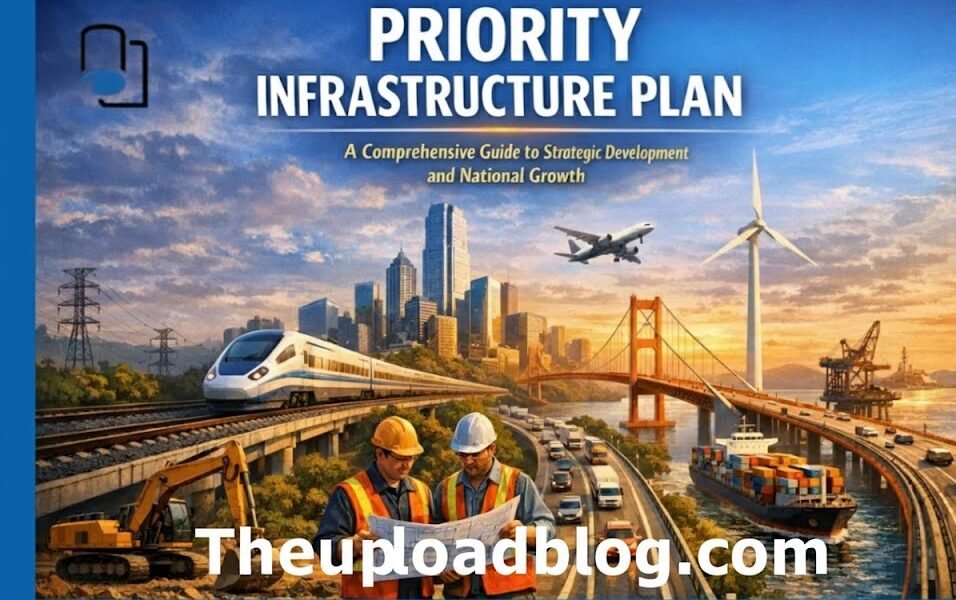
A Priority Infrastructure Plan (PIP) identifies, prioritizes, and manages critical projects for sustainable growth, investment, and development. By strategically allocating funds, engaging stakeholders, and leveraging public-private partnerships, PIPs improve economic productivity, enhance quality of life, reduce regional inequality, and support long-term national development goals, ensuring efficient and impactful infrastructure investment.
A Priority Infrastructure Plan (PIP) is a strategic roadmap that guides governments in planning, funding, and implementing essential infrastructure projects. From transportation and energy to digital networks and social services, PIPs help allocate limited resources effectively while promoting sustainable growth. They stimulate job creation, attract investment, enhance productivity, and improve access to critical services. By integrating long-term vision, stakeholder collaboration, and modern technologies, PIPs ensure infrastructure development aligns with economic, social, and environmental objectives, supporting both urban and regional growth in 2026 and beyond.
Introduction: Why a Priority Infrastructure Plan Matters
Infrastructure is the backbone of modern societies, supporting economic activity, public services, and community well-being. A Priority Infrastructure Plan (PIP) provides governments with a structured approach to identify critical projects, allocate resources efficiently, and align short-term budgets with long-term development goals. In 2026, the focus on sustainable, inclusive, and technologically advanced infrastructure has never been more important. Effective planning ensures public funds generate maximum impact, bridging regional disparities and creating opportunities for communities nationwide.
The Backbone of Modern Society
Modern economies rely on robust infrastructure to support transportation, energy, water, digital connectivity, and social services. PIPs prioritize projects that drive growth, efficiency, and quality of life. Countries with well-defined infrastructure plans, like Germany and Singapore, have demonstrated how structured investment can stimulate economic activity, improve public services, and enhance competitiveness. By focusing on strategic priorities, governments ensure infrastructure investments meet the needs of citizens and businesses, supporting long-term social and economic resilience.
Balancing Limited Resources with Long-Term Needs
Limited budgets make infrastructure planning challenging. PIPs help balance immediate financial constraints with long-term development goals by prioritizing high-impact projects. This approach avoids resource wastage, ensures sustainable growth, and addresses the most critical infrastructure gaps first. Data-driven analysis, stakeholder input, and cost-benefit evaluations guide governments in making decisions that maximize public value while supporting future-proofing initiatives, including climate-resilient and technology-enabled projects.
Key Components of a Priority Infrastructure Plan
A successful PIP includes a strategic vision, project identification and prioritization, funding strategies, implementation timelines, and governance frameworks. Each component ensures transparency, accountability, and efficient execution. For example, transportation projects might be prioritized based on economic impact, traffic demand, and environmental sustainability. Clear objectives and measurable milestones allow policymakers to track progress and make informed adjustments, ensuring infrastructure projects deliver maximum value for society.
Sectors Covered in a Priority Infrastructure Plan
PIPs span multiple sectors, including transportation, energy, water, digital networks, and social infrastructure. Investments in these sectors enhance mobility, reduce energy costs, improve public health, and expand access to education and communication. Digital and smart infrastructure, such as high-speed internet and AI-driven systems, is increasingly central to modern PIPs. Social infrastructure ensures equitable access to schools, hospitals, and recreational facilities, reducing regional inequality and promoting overall societal well-being.
How Governments Develop a Priority Infrastructure Plan
Developing a PIP involves data collection, gap analysis, stakeholder engagement, project evaluation, and regular updates. Governments analyze current infrastructure, assess future needs, and rank projects based on strategic importance. Public consultation ensures transparency and alignment with community needs. Ongoing review allows adjustments to changing priorities, emerging technologies, and budget realities, ensuring the plan remains relevant and effective in promoting sustainable growth and development.
Economic Benefits of a Priority Infrastructure Plan
PIPs stimulate economic growth by creating jobs, increasing productivity, and attracting private investment. Infrastructure projects boost GDP in both the short and long term, with multiplier effects across industries. Efficient transport networks reduce travel time and costs, energy projects stabilize supply, and digital infrastructure improves business competitiveness. Case studies from South Korea show that strategic PIPs can drive decades of sustained economic growth by aligning infrastructure investment with national development priorities.
Social and Environmental Impact
Beyond economic gains, PIPs improve quality of life and promote environmental sustainability. Infrastructure investments enhance access to healthcare, education, and public services. Sustainable planning incorporates low-carbon transport, renewable energy, and climate resilience measures, reducing environmental footprints. By prioritizing equitable development, PIPs also address regional disparities, empowering rural and underserved communities, and ensuring that infrastructure supports both social progress and ecological balance.
Also read this: Who Was Burt Thicke? A Complete Biography, Career, Family & Legacy
Role in Urban and Regional Development
Urban areas benefit from PIPs through improved transport, smart city initiatives, and advanced digital infrastructure. Regional and rural communities gain access to critical services, energy, and connectivity. Smart planning integrates AI-driven decision-making, data centers, and digital twins to optimize infrastructure use and future-proof cities. Balanced development ensures that economic growth is not confined to major cities, promoting inclusive national progress.
Public-Private Partnerships (PPPs) and Private Sector Involvement
PPPs play a crucial role in financing and implementing infrastructure projects. Advantages include access to private capital, expertise, and innovation. Best practices involve clear contracts, risk-sharing, and transparency to ensure mutual benefit. Global examples, such as toll roads in Australia and energy projects in India, demonstrate how collaboration between governments and private investors accelerates project delivery and ensures long-term sustainability.
Challenges in Implementing a Priority Infrastructure Plan
Despite the benefits, PIPs face challenges like budget constraints, political changes, regulatory hurdles, and coordination among stakeholders. Risks of delays, cost overruns, and inefficiencies require strong governance, accountability, and adaptive management. By integrating risk management and continuous monitoring, governments can overcome obstacles, ensuring that infrastructure projects remain on track and deliver expected economic, social, and environmental outcomes.
Global Examples of Priority Infrastructure Plans
Countries like Singapore, Germany, and South Korea have successfully implemented PIPs, demonstrating economic growth, social equity, and technological innovation. Singapore’s land transport and smart city projects optimize urban mobility, Germany invests in green energy, and South Korea emphasizes digital connectivity. These case studies illustrate how strategic planning, effective governance, and public-private collaboration drive successful infrastructure outcomes.
Future Trends in Priority Infrastructure Planning
Emerging trends include smart infrastructure, digital twins, climate-resilient design, low-carbon transport, and renewable energy. AI-driven planning improves efficiency, while advanced monitoring tools ensure sustainability. Governments increasingly focus on integrating technology, environmental sustainability, and long-term economic benefits into PIPs. By embracing these innovations, nations can future-proof their infrastructure and support sustainable growth for decades to come.
Conclusion & Call-to-Action
A well-designed Priority Infrastructure Plan in 2026 is essential for sustainable growth, investment, and societal development. By strategically prioritizing projects, leveraging public-private partnerships, and integrating technology and sustainability, governments can maximize economic and social benefits. Citizens, investors, and policymakers must collaborate to ensure the successful implementation of PIPs. Start exploring and supporting your country’s infrastructure strategy today to build a stronger, more connected future.
FAQs
1. What is a Priority Infrastructure Plan?
A PIP is a government roadmap for identifying, prioritizing, and implementing critical infrastructure projects for sustainable growth.
2. Why are PIPs important for economic growth?
They create jobs, improve productivity, attract investment, and support long-term GDP growth.
3. Which sectors are included in a PIP?
Transportation, energy, water, digital networks, and social infrastructure are typically covered.
4. How do PPPs help in infrastructure planning?
Public-Private Partnerships provide funding, expertise, and innovation while sharing risks and ensuring efficient project delivery.
5. How do governments prioritize infrastructure projects?
Projects are ranked based on impact, cost-benefit analysis, social needs, and alignment with long-term strategic objectives.
6. What role does technology play in modern PIPs?
Smart planning, AI, digital twins, and data analytics optimize infrastructure efficiency and future-proof development.
7. How do PIPs promote environmental sustainability?
By integrating low-carbon transport, renewable energy, and climate-resilient measures, PIPs reduce environmental impact while supporting sustainable growth.
For more info: theuploadblog.com
You may also like



Leave a Reply