Experiencing sudden or gradual hair loss can be a stressful ordeal. While many people first turn to over-the-counter shampoos or general advice online, a persistent issue usually requires the attention of a professional. In Australia, an alopecia specialist in Sydney is typically a dermatologist or a hair restoration doctor who focuses on the health of the scalp and follicles. The diagnostic process is thorough and methodical. It is designed to look beyond the surface of the scalp to find the root cause of the thinning or balding. Because there are many types of alopecia—ranging from the common male pattern hair loss to autoimmune conditions like alopecia areata—getting an accurate diagnosis is the most important step in any hair restoration journey.
The Initial Consultation and Medical History
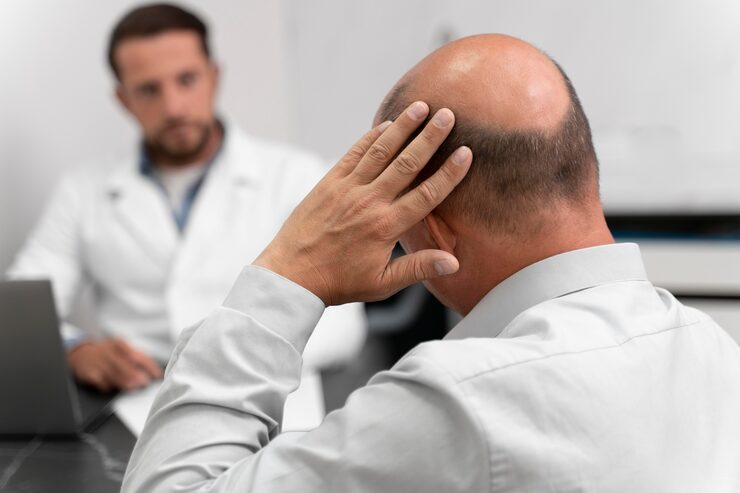
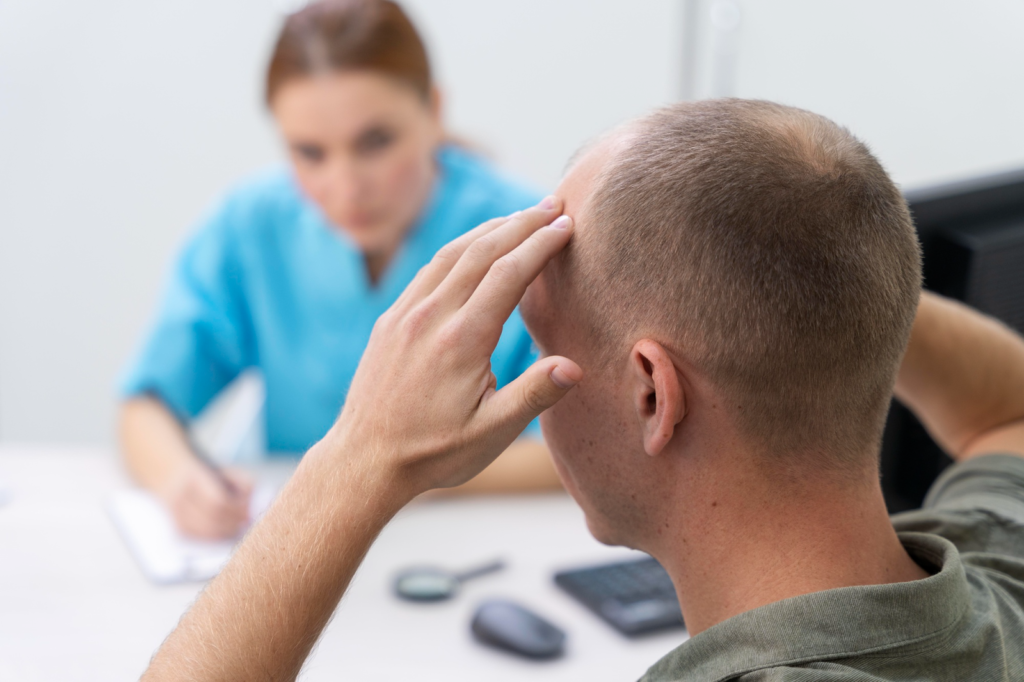
The first thing a specialist will do is sit down with you for a detailed discussion. This part of the process is often the most revealing, as hair loss is frequently linked to broader health factors.
Reviewing Your Health Timeline
Your specialist will ask when you first noticed the thinning and how quickly it has progressed. They will want to know if the hair is falling out in patches or if it is a general thinning across the entire scalp. They will also ask about recent life events. Significant stress, high fevers, or changes in diet can trigger a temporary type of shedding known as telogen effluvium, which often resolves once the underlying cause is addressed. Understanding the timing helps the doctor distinguish between temporary shedding and permanent loss.
Family and Medication History
Genetics play a huge role in hair health. Your doctor will ask about hair loss patterns in your parents and grandparents. Furthermore, they will review any medications or supplements you are currently taking. Certain drugs for blood pressure, acne, or hormonal balance can impact the hair growth cycle. By understanding your full medical background, the specialist can begin to rule out or narrow down specific types of alopecia before they even look at your scalp.
Physical Examination of the Scalp
Once the history is recorded, the specialist will perform a physical examination. This is not just a quick look; it involves specific tests to check the strength and stability of your hair.
The Hair Pull Test
This is a standard diagnostic tool used to assess the severity of hair shedding. The doctor will gently grasp a small bundle of about sixty hairs and pull away from the scalp. If more than ten per cent of the hairs come out easily, it suggests that an active shedding phase is occurring. This test helps distinguish between conditions where hair is falling out at the root and conditions where the hair is simply breaking due to damage.
Visual Inspection for Inflammation
The specialist will look for signs of redness, scaling, or scarring. These physical cues are vital. Non-scarring alopecias, like alopecia areata, often leave the skin looking smooth and healthy despite the lack of hair. On the other hand, scarring alopecias involve permanent damage to the follicle and require urgent intervention to stop the progression. Identifying inflammation early is the best way to prevent permanent hair loss in these cases.
Advanced Diagnostic Tools
In Sydney’s leading clinics, doctors often use advanced technology to get a high-definition view of what is happening beneath the surface of the skin.
Trichoscopy and Digital Analysis
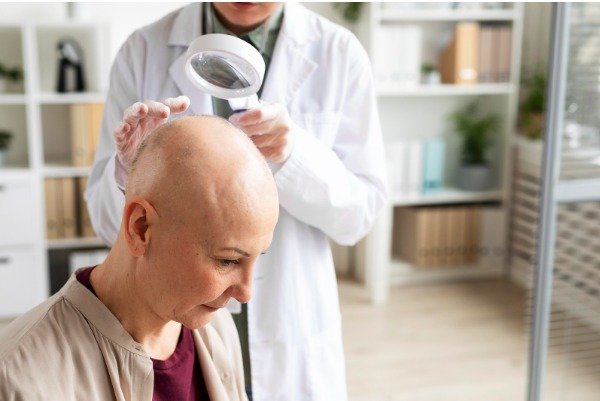
Trichoscopy involves using a handheld dermatoscope—a high-powered magnifying tool—to look at the hair shafts and the openings of the follicles. This allows the specialist to see specific markers for different types of alopecia that are invisible to the naked eye. Some clinics even use digital analysis software to quantify hair density and thickness. This provides a baseline that can be used to track your progress once you start a treatment plan.
Scalp Biopsy
If the cause of the hair loss is still unclear after a visual exam, a scalp biopsy may be necessary. This involves taking a very small piece of skin from the affected area under local anaesthetic. This sample is sent to a laboratory where a pathologist looks at it under a microscope. A biopsy is often the only way to definitively diagnose rare inflammatory or scarring hair conditions that mimic more common types of hair loss.
Blood Tests and Systemic Checks
Hair loss is often a sign of other internal health issues. If your specialist suspects that your hair loss is not purely genetic, they will likely order blood tests to check your internal chemistry.
Checking for Nutrient Deficiencies
Low levels of iron, vitamin D, and B12 are common culprits for thinning hair. Even if you are not technically anaemic, your iron levels might be too low to support a healthy hair growth cycle. Correcting these deficiencies is often the first step in restoring hair health, as the body prioritises vital organs over hair growth when nutrients are scarce.
Hormonal and Autoimmune Screening
For women, hormonal imbalances related to the thyroid or conditions like Polycystic Ovary Syndrome (PCOS) can cause significant thinning. For those with patchy hair loss, the doctor may also check for other autoimmune markers to see if the body’s immune system is mistakenly attacking the hair follicles. Identifying these triggers allows the specialist to coordinate with your general practitioner for a holistic approach to your health.
Implementing a Hair Growth Protocol
Once a diagnosis is confirmed, the specialist will move from investigation to action. In many Sydney clinics, this takes the form of a structured hair growth protocol. This is not a one-size-fits-all solution; it is a multi-step plan tailored to your specific diagnosis and lifestyle needs.
The Loading Phase
A typical hair growth protocol begins with an intensive phase. This often involves monthly treatments for the first few months. These treatments might include medical-grade topical solutions, prescription medications to block hair-thinning hormones, or clinical procedures designed to stimulate the scalp. The goal of this phase is to stop active shedding and wake up follicles that have become dormant.
Maintenance and Monitoring
After the initial phase, the protocol shifts to maintenance. This might involve spaced-out clinical visits every three to six months to ensure the hair density is being maintained. The specialist will use the same digital tools from the diagnostic phase to take photos and measurements, allowing you to see exactly how much your hair has improved compared to your first visit.
The Role of Lifestyle and Supportive Care
A qualified specialist knows that clinical treatments work best when supported by healthy habits. As part of your diagnosis and treatment plan, they may suggest changes to your hair care routine. This includes using gentle, sulphate-free shampoos and avoiding high-heat styling tools that can cause breakage. They may also provide guidance on stress management and nutrition to ensure your body has the building blocks it needs to produce strong, healthy hair over the long term.
Why Professional Diagnosis Matters
The danger of self-diagnosing hair loss is that many conditions look similar but require completely different treatments. For example, applying a generic hair growth foam to a scarring alopecia might do nothing to stop the underlying inflammation that is permanently destroying follicles. By seeing an alopecia specialist in Sydney, you ensure that you are treating the right problem with the right tools. An accurate diagnosis saves you time, money, and your hair. It provides a clear roadmap, moving away from guesswork and toward results that you can see in the mirror.
You may also like



Leave a Reply