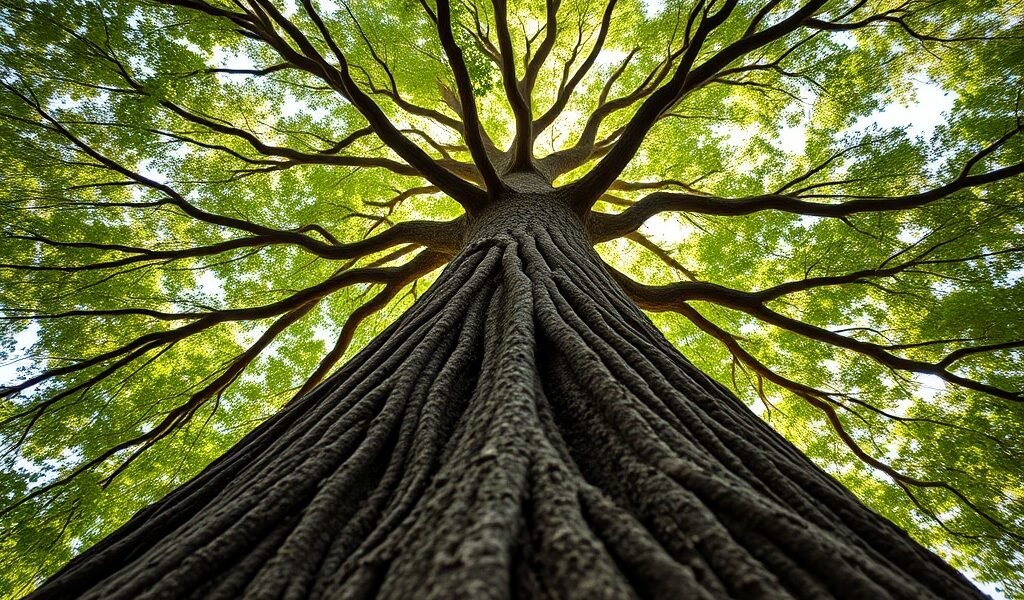
Ohio trees include native species like oak, maple, and hickory, as well as urban trees such as ginkgo and cherry. They provide crucial ecological benefits, including air purification, wildlife habitat, soil stabilization, and aesthetic appeal. Through proper planting, conservation, and urban forestry programs, Ohio maintains healthy, diverse forests and landscapes that support biodiversity and long-term environmental sustainability.
Ohio boasts a remarkable diversity of trees, from majestic oaks and maples to hardy hickories and evergreens. These species support wildlife, prevent soil erosion, and contribute to carbon sequestration. Urban areas feature non-native trees like ginkgo and cherry, adding shade and visual appeal. Seasonal changes—from spring blossoms to vibrant autumn foliage—highlight the ecological richness of Ohio’s landscapes. Understanding soil preferences, climate conditions, pests, and conservation strategies is essential for maintaining healthy trees. This complete guide explores native and urban species, planting practices, ecological benefits, and management tips, giving homeowners, foresters, and nature enthusiasts practical insights into Ohio’s tree ecosystems.
Introduction to Ohio Trees
Ohio’s forests and urban landscapes are home to a wide variety of trees that shape the state’s natural beauty and ecological health. Native and non-native species alike play essential roles in air purification, soil stabilization, and wildlife habitat. Trees provide aesthetic value for homeowners, parks, and streets while supporting environmental sustainability. Understanding the diversity, seasonal changes, and ecological importance of Ohio trees is vital for conservation and urban planning. This guide covers native species, common urban trees, growth conditions, ecological benefits, threats, and management strategies to help residents and professionals maintain Ohio’s forests and tree-lined communities effectively.
Native Trees of Ohio
Ohio’s native trees are adapted to the state’s climate and soil conditions, making them resilient and ecologically valuable. Key species include red and white oak, sugar maple, shagbark hickory, American beech, and tulip tree. These trees provide food and shelter for birds, mammals, and insects, while supporting forest biodiversity. Sugar maples are also used for syrup production, and hickories are valued for timber and nuts. Planting native trees ensures low maintenance, natural resilience against pests, and long-term sustainability. Homeowners and foresters are encouraged to prioritize native species to support local ecosystems, enhance biodiversity, and maintain Ohio’s forest heritage.
Common Non-Native and Urban Trees
Urban areas in Ohio often feature non-native species that are chosen for ornamental appeal, hardiness, and shade provision. Popular examples include ginkgo, Japanese cherry, Norway maple, and Bradford pear. While these trees enhance streetscapes, parks, and residential areas, non-native species can compete with native flora and occasionally disrupt local ecosystems. Responsible urban forestry practices, including balanced species selection, proper planting, and maintenance, can mitigate these risks. Combining native and non-native trees ensures aesthetic variety, ecological benefits, and resilience against urban stressors like pollution, soil compaction, and limited space, creating sustainable and vibrant city greenery.
Seasonal Characteristics and Foliage
Ohio trees exhibit remarkable seasonal changes. Spring brings flowering blooms, attracting pollinators and enhancing natural landscapes. Summer produces dense foliage that shades streets and homes, reducing energy costs. Autumn is especially striking, with maples, oaks, and sweetgums turning brilliant shades of red, orange, and yellow. Winter highlights structural beauty as deciduous trees lose leaves, while evergreens maintain greenery. Recognizing these seasonal patterns aids in tree management, landscaping decisions, and planning urban green spaces. Seasonal observations also help identify early signs of disease or stress, allowing timely interventions to maintain healthy trees across Ohio.
Soil, Climate, and Growth Conditions
Ohio trees thrive in a variety of soils, from loamy, well-drained soils to heavier clay in lowlands. Climate plays a major role, with cold winters and humid summers ideal for deciduous and coniferous species. Adequate rainfall, sunlight, and soil nutrients are essential for growth, root development, and overall health. Urban trees often face additional stress from soil compaction, pollution, and limited space, requiring careful maintenance and soil management. Understanding these conditions helps homeowners, foresters, and city planners choose suitable species, optimize growth, prevent disease, and ensure long-term vitality of Ohio’s forests and urban landscapes.
Wildlife Interactions and Ecosystem Support
Trees in Ohio serve as essential habitats for birds, insects, mammals, and microorganisms. Oaks and hickories provide nuts for squirrels and deer, while maples and beeches offer shelter and food for birds. Flowering trees support pollinators such as bees and butterflies, critical for plant reproduction. Urban trees also contribute to biodiversity by providing green corridors for wildlife. Maintaining diverse tree species ensures ecosystem resilience, supports food webs, and preserves natural cycles. Proper conservation and management of trees in forests and urban settings help sustain wildlife populations while enhancing environmental stability throughout Ohio.
Common Diseases and Pest Threats
Ohio trees are vulnerable to pests and diseases that can impact growth and longevity. Emerald ash borer attacks ash trees, while gypsy moths target oaks. Fungal infections such as oak wilt or anthracnose can damage leaves and stems. Proper identification, timely intervention, and preventive care are essential to maintain tree health. Urban areas benefit from regular monitoring and integrated pest management strategies. Planting resistant species and maintaining soil health reduce susceptibility to disease. Awareness of these threats ensures that both homeowners and forestry professionals can protect Ohio’s tree populations effectively, preserving ecological and economic benefits.
Conservation and Sustainable Forestry
Ohio has implemented various conservation programs to protect native forests and urban trees. Initiatives include reforestation, tree planting campaigns, and preservation of old-growth forests. Sustainable forestry practices involve selective harvesting, habitat protection, and maintaining biodiversity. Education programs encourage homeowners and communities to plant native species and maintain healthy trees. Urban forestry initiatives focus on increasing canopy cover, mitigating heat islands, and enhancing city resilience. Effective conservation ensures long-term ecological, economic, and social benefits, preserving Ohio’s tree resources for future generations while supporting biodiversity and ecosystem services.
Also read this: What to Expect From a Tarot Card Reading Over the Phone
Urban Forestry and Landscaping Practices
Urban forestry in Ohio balances aesthetic needs with ecological benefits. Trees are planted along streets, in parks, and residential areas to provide shade, improve air quality, and enhance property values. Proper spacing, pruning, and maintenance prevent overcrowding and disease spread. Combining native and non-native species enhances resilience and visual diversity. Landscaping choices, including tree selection based on soil and sunlight conditions, contribute to sustainable urban environments. Strategic urban forestry planning reduces energy costs, supports local wildlife, and creates green spaces that improve overall quality of life for Ohio residents.
Planting Tips and Maintenance
Planting trees correctly ensures long-term growth and health. Select species suited to soil type, climate, and space availability. Dig holes twice the width of the root ball, water regularly during establishment, and mulch to retain moisture and prevent weeds. Regular pruning removes dead or diseased branches, promoting strong structure. Fertilization may be necessary for nutrient-poor soils. Monitoring for pests and diseases allows early intervention. Proper care during the first 3–5 years after planting is crucial. By following best practices, homeowners and community planners can ensure thriving, healthy trees that provide ecological and aesthetic benefits across Ohio.
Economic and Environmental Benefits
Ohio trees contribute significantly to the economy and environment. Timber from oaks, hickories, and maples supports the forestry industry, while urban trees enhance property values and attract tourism. Environmentally, trees filter air pollutants, reduce stormwater runoff, and sequester carbon, mitigating climate change. They also provide shade, reducing energy consumption in buildings. The combination of economic and ecological contributions demonstrates the vital role trees play in Ohio’s communities, forests, and urban areas, emphasizing the importance of sustainable management and conservation practices for long-term benefits.
Threats from Climate Change and Human Activity
Climate change, urbanization, and deforestation pose threats to Ohio trees. Rising temperatures, droughts, and invasive species impact growth and survival rates. Human activities such as construction, pollution, and improper tree care can exacerbate these challenges. Adaptive management strategies, including planting climate-resilient species, promoting biodiversity, and protecting green spaces, are essential. Public awareness and participation in tree planting and conservation programs help mitigate human impacts. Proactive measures ensure that Ohio’s forests and urban trees remain healthy, supporting ecosystems, communities, and environmental sustainability in the face of changing conditions.
Conclusion
Ohio trees are more than scenic assets; they are ecological pillars supporting wildlife, air quality, soil health, and human well-being. From native oaks and maples to urban ginkgo and cherry trees, understanding species, seasonal patterns, growth conditions, and threats is crucial. Conservation, sustainable forestry, and urban management strategies ensure the preservation of Ohio’s forests and tree-lined communities. Homeowners, foresters, and policymakers play a vital role in maintaining healthy trees, ensuring that Ohio’s natural and urban landscapes continue to provide ecological, economic, and aesthetic benefits for generations to come.
FAQs About Ohio Trees
Q1: What are the most common native trees in Ohio?
A1: Oak, maple, hickory, beech, and tulip trees are the most common native species in Ohio forests.
Q2: Which non-native trees are popular in Ohio urban areas?
A2: Ginkgo, Japanese cherry, Norway maple, and Bradford pear are commonly planted for shade and aesthetics.
Q3: How do Ohio trees benefit the environment?
A3: They improve air quality, provide wildlife habitat, prevent soil erosion, and reduce urban heat.
Q4: What pests affect Ohio trees?
A4: Emerald ash borer, gypsy moths, and fungal diseases like oak wilt commonly threaten Ohio trees.
Q5: When is the best time to plant trees in Ohio?
A5: Early spring or fall is ideal, allowing roots to establish before extreme summer or winter conditions.
Q6: How can homeowners maintain healthy trees?
A6: Water newly planted trees, mulch, prune regularly, and monitor for pests and diseases.
Q7: Why is conservation of Ohio trees important?
A7: It preserves biodiversity, supports wildlife, enhances landscapes, and sustains ecological and economic benefits.
For more info: theuploadblog.com
You may also like



Leave a Reply