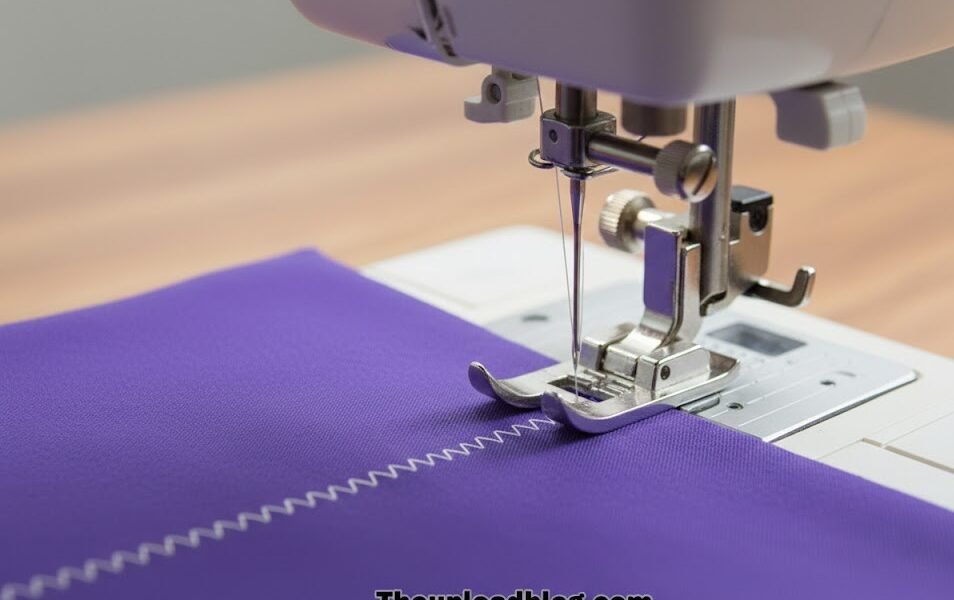
Nahttypen are seam styles used to join fabric pieces in sewing and textile projects. They include basic seams like straight or zigzag seams, decorative seams such as topstitching, and specialty seams like flat-felled or French seams. Choosing the right Nahttypen ensures garments are strong, flexible, and visually appealing. Correct seam selection prevents fraying, puckering, and weak stitching, allowing garments to last longer and look professional, whether for casual wear, fashion projects, or technical textiles.
Nahttypen, or seam styles, are fundamental in sewing and textile design, determining the strength, flexibility, and appearance of garments. This complete guide explores basic, decorative, and specialty seams, offering detailed explanations, practical tips, and step-by-step instructions for selecting the right seam for different fabrics. By mastering Nahttypen, beginners and advanced sewers can prevent common mistakes, extend garment life, and improve overall sewing quality. Real-life examples, fabric-specific guidance, and maintenance tips make this guide an essential resource for anyone aiming to create professional-quality clothing and textile products.
What Are Nahttypen?
Nahttypen are seam styles used to join pieces of fabric in sewing. Every seam type has a specific purpose, whether for strength, flexibility, or decoration. Common Nahttypen include straight seams, zigzag seams, French seams, and flat-felled seams. Each type affects garment behavior under stress, its durability, and appearance. Beginners benefit from learning these fundamental seams to understand fabric properties and construction techniques. Advanced sewers use specialized Nahttypen for decorative or functional purposes. Mastering these seams ensures garments remain neat, professional, and long-lasting. It also allows sewers to make informed decisions about which seam to use depending on fabric type, garment design, and intended wear, improving both functionality and aesthetics.
Why Seam Styles Matter in Sewing
Seam styles are critical because they directly influence durability, comfort, and overall garment appearance. Strong seams, such as flat-felled or reinforced seams, prevent tearing and deformation during wear or washing. Decorative seams, including topstitching or embroidered seams, add visual appeal while providing subtle reinforcement. Choosing the wrong seam type can result in fraying, puckering, or weak stitching that undermines garment quality. Understanding how seams interact with different fabrics—woven, knit, or stretch—ensures optimal performance. Proper seam selection improves project efficiency, reduces errors, and ensures garments retain their shape and look professional, elevating the final product from a basic creation to a polished, high-quality piece.
Basic Nahttypen Every Sewer Should Know
For beginners, learning fundamental seams such as straight seams, zigzag seams, and French seams is essential. Straight seams are simple, versatile, and suitable for most fabrics, making them the foundation of basic sewing. Zigzag seams prevent fraying and allow fabrics to stretch, ideal for knits or elastic garments. French seams encase raw edges to create a clean, professional finish, particularly for delicate fabrics like chiffon or silk. Practicing these Nahttypen improves alignment, seam allowance accuracy, and stitch consistency. Mastery of these basic techniques prepares sewers for more advanced decorative or specialty seams. By understanding how each seam interacts with different fabrics, beginners can enhance garment durability and appearance while minimizing errors and frustration during sewing.
Decorative Nahttypen for Style
Decorative seams serve both aesthetic and functional purposes. Examples include topstitching, piping seams, and embroidered seams, which can highlight garment lines, reinforce edges, or add texture and visual interest. Designers often incorporate decorative Nahttypen to create signature styles while maintaining strength. Decorative seams are particularly effective on high-stress areas like pockets, collars, and cuffs, combining durability with style. Proper execution requires attention to stitch length, fabric type, and seam placement. Learning decorative Nahttypen allows sewers to elevate their garments from basic to professional quality, blending creativity with technical skill, and producing visually striking clothing suitable for everyday wear or high-fashion projects.
Specialty Nahttypen for Unique Fabrics
Certain fabrics require specialized seam styles to perform well. Heavy fabrics like denim, canvas, or leather benefit from flat-felled seams, which provide extra strength and durability. Lightweight fabrics such as chiffon, organza, or silk are better suited to French seams, which enclose raw edges and prevent fraying. Stretch fabrics require flexible seams like zigzag, serged, or overlocked seams to maintain movement and comfort. Specialty Nahttypen improve garment performance, maintain fabric integrity, and enhance longevity. Advanced sewers often rely on these seams to achieve a professional finish. Understanding which seam suits each fabric type is essential to ensure both aesthetic appeal and functional durability.
Step-by-Step Guide to Constructing Seams
Constructing seams properly requires attention to detail. Start by aligning fabric edges and pinning them securely. Choose the appropriate stitch length: shorter for delicate fabrics and longer for heavy materials. Sew slowly and steadily to maintain accuracy. Press seams after stitching to flatten and set stitches, improving durability. Complex seams like French or flat-felled seams may require multiple sewing passes for a clean finish. Testing seams on scrap fabric prevents mistakes and ensures a professional result. Following these steps reduces puckering, uneven stitching, and weak seams. Attention to detail at each step ensures garments are both functional and aesthetically pleasing.
Choosing the Right Seam for Each Fabric
Selecting the appropriate Nahttypen depends on fabric type, garment purpose, and design. Lightweight fabrics such as silk or chiffon benefit from French or rolled seams to prevent fraying and maintain a polished finish. Heavy fabrics like denim, leather, or canvas require flat-felled or reinforced seams for strength. Stretch fabrics, including knits or spandex blends, need seams that allow flexibility, such as zigzag, serged, or overlocked seams. Testing seams on scrap fabric helps determine suitability. Correct seam selection ensures durability, comfort, and aesthetic appeal, while minimizing mistakes and improving sewing efficiency. Proper seam choice also enhances garment performance and professional appearance.
Also read this: Create a Beginner-Friendly Guide on How Can I Start a Blog on UploadBlog.com?
Common Seam Mistakes and How to Avoid Them
Common mistakes include uneven stitching, misaligned fabric edges, incorrect seam allowance, and using the wrong seam for a particular fabric. These errors can lead to weak seams, fraying, or puckering, compromising the final product. To avoid mistakes, measure accurately, pin fabrics securely, press seams during construction, and test techniques on scrap fabric. Understanding fabric behavior and machine settings improves accuracy and reduces errors. Awareness of common problems ensures higher-quality results, prevents wasted material, and increases sewing efficiency. With consistent practice, sewers can confidently execute seams with precision and achieve professional-quality garments.
Maintenance Tips for Seam Longevity
Maintaining seams properly extends garment life. Press seams after sewing to set stitches, and reinforce high-stress areas like armholes or waistlines. Wash garments according to fabric specifications, avoiding harsh detergents that weaken threads. Regular inspection and minor repairs prevent seam failures. Specialty seams, such as decorative or bonded seams, require additional care according to manufacturer instructions. Proper maintenance ensures garments remain functional, aesthetically pleasing, and durable over time, preserving both appearance and structural integrity.
Real-World Applications of Nahttypen
Different seam styles are used in specific garments for function and appearance. Jeans commonly use flat-felled seams for strength, chiffon blouses use French seams for neat finishes, and athletic wear relies on stretch-friendly seams like zigzag or serged seams. Choosing the appropriate Nahttypen ensures garments withstand daily wear, maintain their shape, and look polished. Understanding how each seam type applies to real-life garments allows sewers to replicate professional results in home sewing projects and advanced textile design.
Which Seams Are the Strongest?
Seam strength varies depending on type and fabric. Flat-felled seams are ideal for heavy fabrics, providing high durability. French seams protect delicate fabrics and prevent fraying, while reinforced topstitching strengthens high-stress areas. Stitch length, thread type, and seam construction all influence durability. Testing seams under real-world conditions ensures garments meet strength and performance requirements. Strong seams improve garment longevity and maintain professional appearance, making them critical for everyday clothing and specialized textile applications.
Troubleshooting Sewing Problems
Common sewing issues include seam puckering, thread breakage, and fabric misalignment. Solutions include adjusting machine tension, using the correct needle type, stabilizing fabrics with interfacing, and testing seams on scraps before final application. Early identification of issues prevents material waste, reduces frustration, and improves the final result. With experience, sewers can anticipate potential problems and apply corrective techniques effectively. Troubleshooting skills are essential for producing professional-quality garments consistently.
Modern Nahttypen Trends in Fashion
Current sewing trends feature visible seams as a design element, combination seams for texture, and bonded seams for performance fabrics. Innovative techniques, including heat-bonded and waterproof seams, are common in sportswear and technical apparel. Staying updated on trends allows sewers and designers to create garments that are functional, stylish, and contemporary. Modern Nahttypen also support creative expression while maintaining structural integrity. Incorporating trending seam styles enhances professional projects and showcases design innovation.
Tips for Mastering Seam Styles Quickly
Practice is essential for mastering Nahttypen. Begin with basic seams and gradually move to decorative and specialty seams. Experiment with different fabrics, record observations, and refine techniques over time. Regular practice builds precision, confidence, and sewing speed. Observing how seams behave on various materials improves decision-making for future projects. Combining practice with knowledge of fabric properties, stitch techniques, and proper seam finishes accelerates mastery and ensures professional-quality results in all sewing endeavors.
Conclusion and Call-to-Action
Mastering Nahttypen enhances garment strength, appearance, and overall functionality. Understanding basic, decorative, and specialty seams ensures professional-quality sewing results. Practicing, experimenting, and applying correct techniques allow sewers to create durable, stylish, and polished garments. By learning and implementing proper seam styles, you elevate your sewing skills and achieve professional results. Start mastering Nahttypen today, and transform your sewing projects into professional-quality creations that last and impress!
FAQs About Nahttypen
1. What is Nahttypen?
Nahttypen are seam styles used to join fabric pieces in sewing projects.
2. Which Nahttypen is best for beginners?
Straight seams are easiest and most versatile for beginners.
3. How do I prevent seams from fraying?
Use zigzag or French seams and finish raw edges carefully.
4. What seam is ideal for denim?
Flat-felled seams provide strength and durability for heavy fabrics.
5. Can decorative seams be functional?
Yes, reinforced topstitching adds both style and durability.
6. Which seams work for stretch fabrics?
Zigzag, serged, or overlocked seams maintain flexibility and shape.
7. How do I maintain seams over time?
Press seams, reinforce stress points, and follow proper fabric care instructions.
For more info: theuploadblog.com
You may also like


Leave a Reply